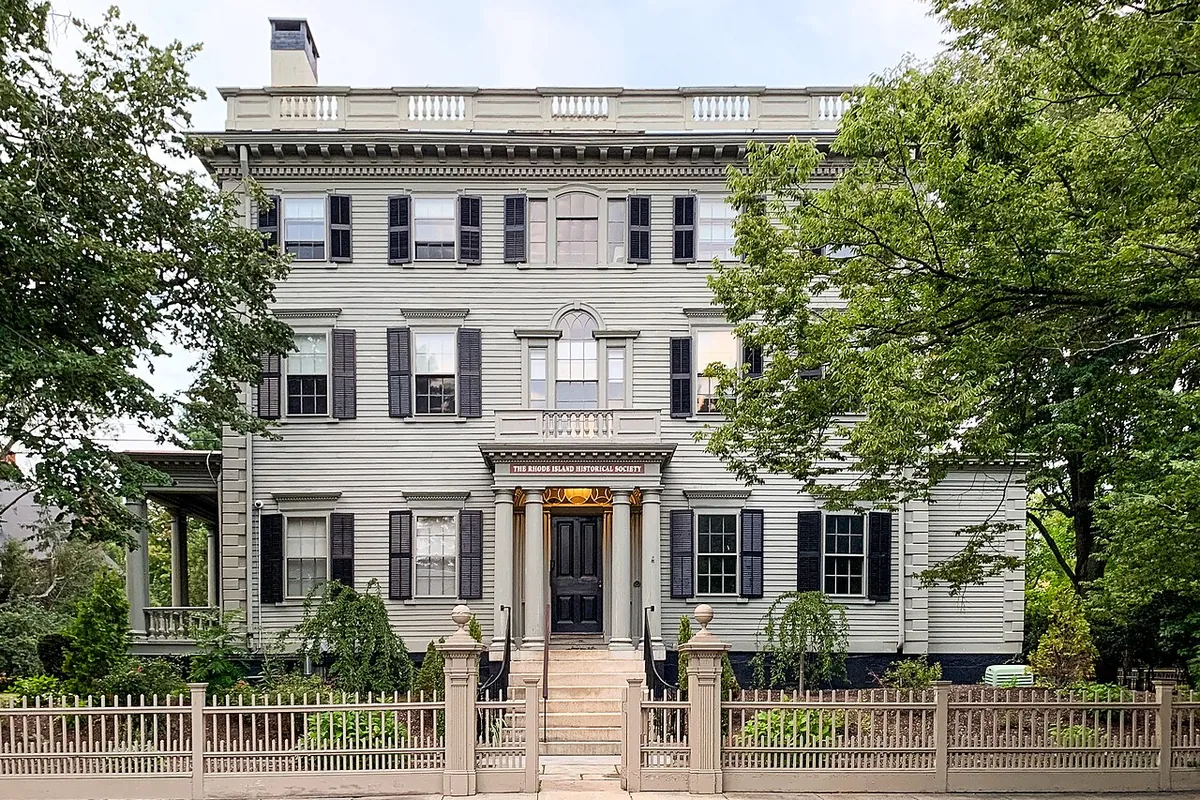
Rhode Island has some of the oldest housing in the country. When a storm damages part of a slate roof in Providence, a cedar-shingled wall in Westerly or plaster ceilings in Pawtucket, the question isn’t only what was damaged. It’s whether a repair can match what’s left.
Why matching comes up so often here
- Older materials weather and fade, so new pieces stand out.
- Many products used decades ago are discontinued.
- Historic district rules in places like Newport, Providence, Bristol and Wickford may require specific materials.
What policies say
Policy language on matching varies. Some forms address it directly; others say only that repairs use materials of “like kind and quality.” Some states have regulations on matching; the policy and any applicable rules control. We value the cost of a reasonable repair and document the matching question with photos, samples and product research.
How we document it
- Identify the existing material: type, size, profile, color and age.
- Research whether a reasonable match is available.
- Show, with photos or samples, how a partial repair would look.
- Price the repair that achieves a reasonable, uniform appearance.