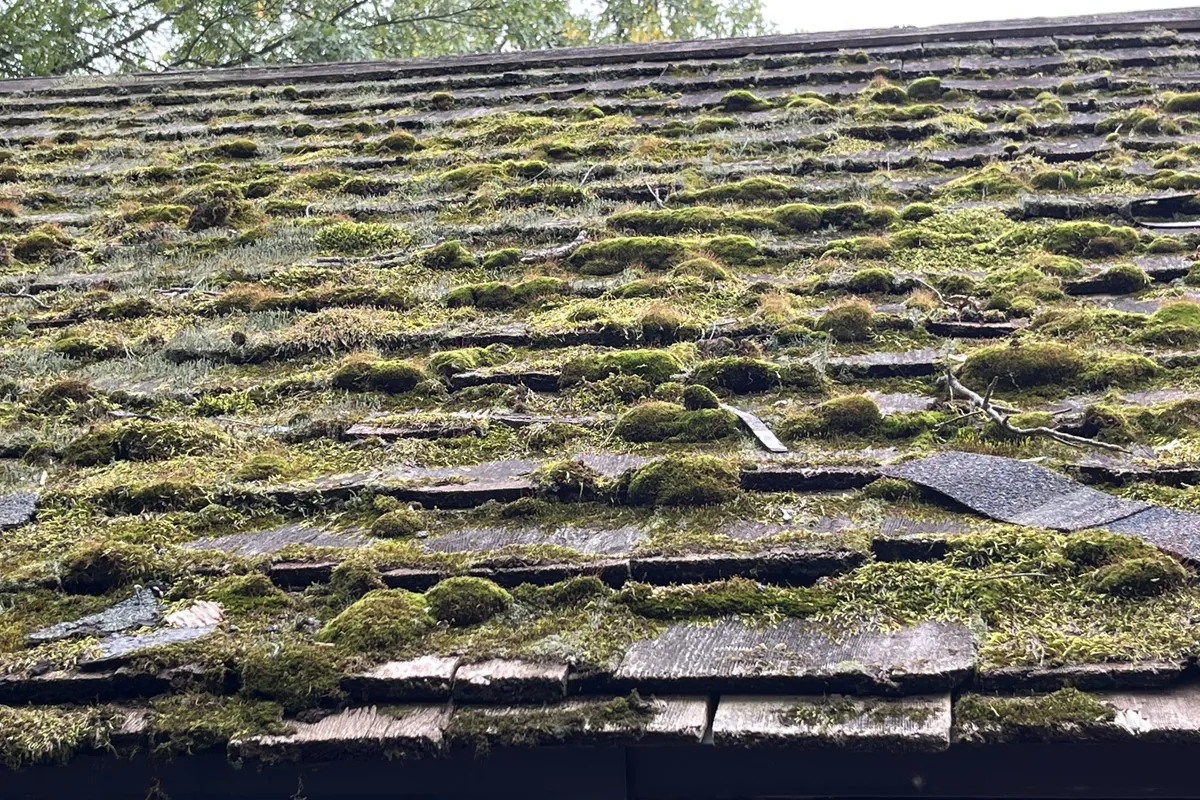
Roof and hail damage appraisal in Rhode Island is less about big hail years than about how older roofs behave. Hail here tends to come with summer thunderstorms that move in from the west, and it can bruise asphalt shingles, split cedar and crack slate. More often, roofs are damaged by wind during nor’easters and tropical systems, and by ice dams in winter.
What we measure and check
- Roof squares by slope, with pitch and waste factors that match the roof’s actual geometry
- Steep and high charges for pitches and heights that require extra safety and labor
- Starter, ridge, drip edge, ice and water barrier and flashing that are often left off
- Whether discontinued or brittle shingles can be repaired without damaging the rest of the roof
- Decking condition and any code-required changes when roofing is removed
Older and specialty roofs
Slate on Victorian houses in Providence and Newport, cedar shingle on shoreline cottages and low-slope membrane roofs on triple-deckers and commercial blocks each need their own approach. A slate repair is skilled, slow work; an estimate that prices it like asphalt will be short.
Repair or replace?
The most common roof dispute is whether a repair is reasonable. We look at brittleness, product availability, exposure and how many slopes are affected, and we document why a spot repair would or wouldn’t work.
Questions about roof & hail damage
Does Rhode Island get much hail?
Less than the Plains or Southeast, but summer thunderstorms do bring hail to parts of the state, and older roofs can be damaged by smaller stones.
What if my shingles are discontinued?
If replacement shingles can’t reasonably match, that can affect how much of the roof should be replaced. Your policy wording matters here, and we document the matching question carefully.
Can you measure my roof without climbing it?
We use aerial measurements as a check, but we also inspect in person where it’s safe, because damage and materials need to be seen up close.