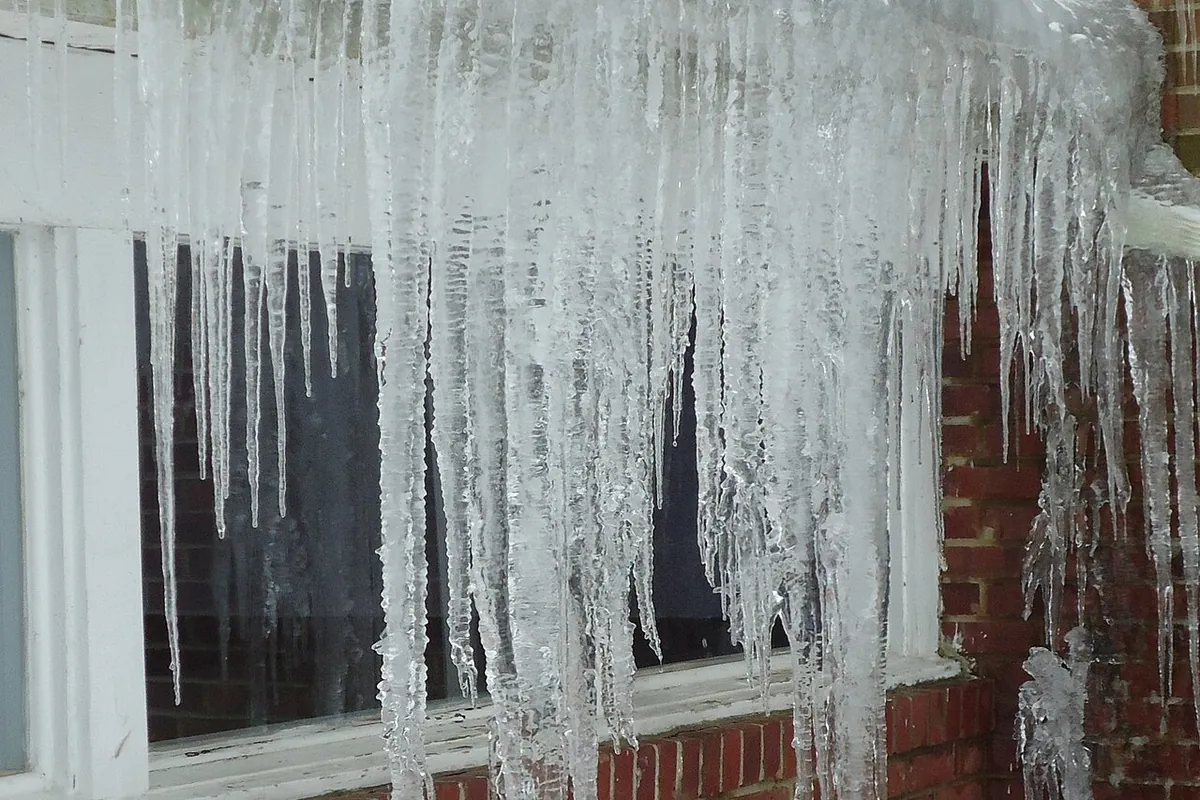
Ice dam claim appraisal in Rhode Island is the winter counterpart to hurricane season. The Blizzard of 1978 still sets the benchmark for snowfall here, and the January 2015 and January 2022 blizzards were reminders of what heavy snow does to roofs. Ice dams form when heat escaping through the roof melts snow, which refreezes at the cold eaves and backs water up under the shingles. Older homes with little attic insulation are especially prone to them.
Winter damage we value
- Ceiling, wall and insulation damage from ice-dam leaks
- Roofing, gutters and fascia torn by ice and sliding snow
- Structural damage from snow load on porches, flat roofs and outbuildings
- Burst pipes in exterior walls, crawlspaces and vacant units
- Emergency services such as snow and ice removal and drying
Coverage points to know
Many policies cover water damage from ice dams and sudden pipe bursts, but may limit coverage if a building was left without heat or water wasn’t shut off when it was unoccupied. Snow-load collapse coverage is often tied to specific wording. We note these questions for you and value the covered loss completely.
Documenting a winter loss
Photograph ice along the eaves and icicles from outside, stains and drips inside, and the thermostat setting. Save invoices for snow removal, roof raking or steaming; those costs can matter.
Questions about ice dam, snow load & frozen pipe claims
Are ice dam leaks covered?
Interior water damage from ice dams is covered by many homeowner policies, but wording varies. Repairing the ice dam itself or adding insulation is usually treated as maintenance.
My pipes froze while I was away. Will that matter?
It can. Many policies require you to maintain heat or shut off and drain the water if the home is unoccupied. That’s a coverage issue to raise with the insurer or an attorney.
Can snow load damage be appraised?
If the insurer accepts coverage and disputes the cost, yes. Structural repairs and engineering often make these claims larger than first estimates suggest.